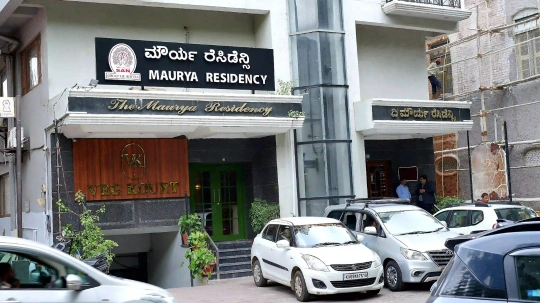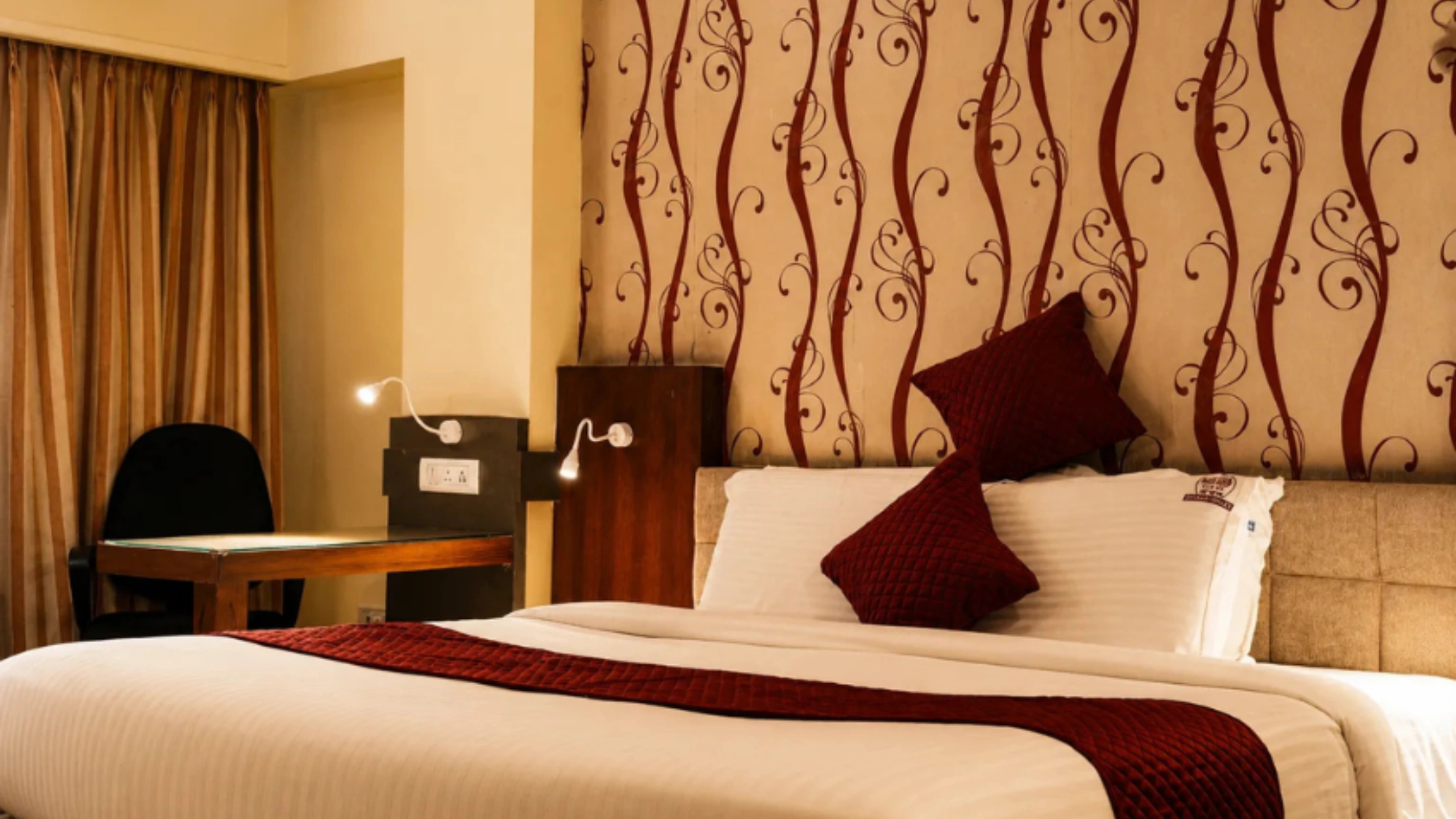
You’re on a booking page at 11 pm, staring at two identical-looking rooms in the same building. One is ₹1,400. The other is ₹1,900 and has two letters after its name. Deciding between AC and Non-AC hotel rooms in Mysore is one of those small choices that either saves you five hundred rupees a night or ruins your sleep, and the answer changes completely depending on the month you’re travelling. Maurya Palace and Maurya Residency understands that room comfort can make a significant difference to a Mysore stay, while Maurya Palace and Maurya Residency helps travellers consider practical factors before choosing their room type.
Mysuru sits at roughly 770 metres above sea level, and that altitude does a lot of quiet work. The city is genuinely milder than most of peninsular India, which is why this question has a real answer rather than a default one.
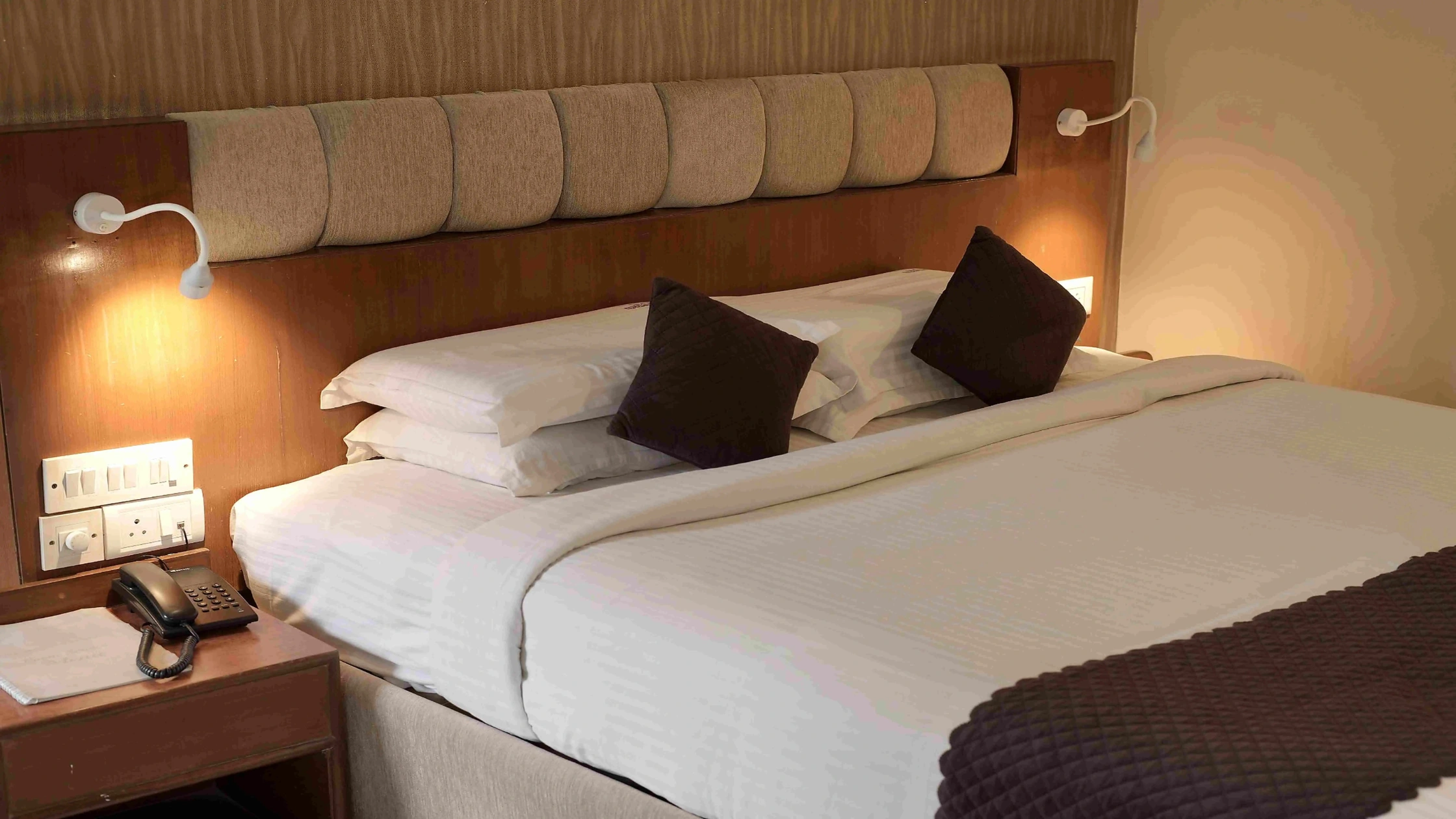
For a large part of the year, a ceiling fan and an open window are enough. Nights cool down noticeably, even after a warm afternoon, and the evening breeze off the plateau is reliable.
December and January mornings can drop into the mid-teens. Travellers from Delhi find that pleasant, travellers from Kerala find it cold, and almost nobody switches on an air conditioner. April and May are the exception, when afternoons push into the mid-thirties and rooms hold that heat until well past sunset. That seasonal swing explains most of the gap between AC and Non-AC hotel rooms in Mysore.
Beyond temperature, the two room types differ in ways the listing photos won’t show you.
|
Factor |
AC room |
Non-AC room |
|
Typical tariff premium |
₹300 – ₹700 more per night |
Base rate |
|
Windows |
Usually sealed or kept shut |
Openable, cross-ventilation |
|
Noise |
AC hum, but road noise muffled |
Quieter unit, more street noise |
|
Mosquitoes |
Fewer, sealed room |
More, especially near water or greenery |
|
Best months |
March to early June |
October to February, most of monsoon |
|
Power cuts |
Room warms within 20 minutes |
Fan on inverter is usually enough |
That noise row surprises people. A sealed AC room on a main road is often the quieter of the two, while a non-AC room in a back lane beats both.
The tariff gap between the two usually runs ₹300 to ₹700 a night within the same property. Treat that as indicative, since it widens during Dasara and long weekends and narrows in the monsoon.
Over a three-night family trip that’s ₹900 to ₹2,100, which is a decent meal out or a day’s entry tickets. On a single-night stopover, it’s barely worth the deliberation. The Mysore room price difference only becomes meaningful once you’re staying three nights or more, or booking two rooms.
This is the easy answer. Nights are cool, days are mild, and a non-AC room with a decent ceiling fan is comfortable. Many travellers who pay for AC in this window never turn it on. Save the money.
Here AC starts earning its keep. Afternoons get genuinely warm, and top-floor rooms hold heat late into the evening. If you’re travelling with elderly parents or an infant in May, book the AC room and don’t think about it further.
June through October is humid rather than hot. Temperatures stay moderate, but the air is heavy and clothes dry slowly. A fan usually copes. Some people prefer AC purely for the dehumidifying effect, which is a fair reason.
Choosing between AC and Non-AC hotel rooms in Mysore depends less on budget than on who’s in the room.
Rooms of both kinds vary hugely by floor and orientation, so ask the property where the room sits. A second-floor non-AC room with cross-ventilation beats a fourth-floor AC room with a west-facing wall in almost every season.
“AC room” covers a wide range. At the lower tariff bands, it can mean a window unit installed a decade ago that rattles loudly and cools slowly. At mid-range properties it usually means a serviced split unit that actually works.
Ask two questions before paying: is it a split AC or a window unit, and when was it last serviced. Staff at good budget hotels in Mysore will answer straight away. Hesitation is informative.
Also confirm there’s no separate charge for running it. That practice has largely disappeared from mainstream properties, but it lingers in a few older lodges, and finding out at check-out is unpleasant.
Three practical points that decide more stays than the thermometer does.
Mosquitoes are a genuine consideration near Karanji Lake, the zoo area and the greener residential pockets, particularly after rain. Non-AC rooms in Mysore need a working window mesh or a repellent plug point, so check both. AC rooms sidestep the problem by staying sealed.
Street noise runs late in the central and bus stand areas, and starts again around 5:30 am. Sealed windows help. So does asking for a rear-facing room, which costs nothing.
Air quality is generally good by Indian city standards, though the market and station areas get dusty. If anyone in your group has asthma, a clean, sealed room is the safer choice regardless of the month.
Work through it in this order, and the decision takes about a minute.
Most trips resolve cleanly against those five. The comparison stops being difficult once you stop treating AC as automatically better.
Almost certainly not. December nights commonly drop into the mid-teens and rooms stay cool without help. A ceiling fan is usually sufficient, and many guests who book AC rooms in Mysore that month never switch the unit on. Put the savings towards a better location instead.
Expect roughly ₹300 to ₹700 more per night for the same room category in the same property, with the gap widening during Dasara and long weekends. Treat any figure as indicative, since tariffs vary by season, day of week and how far ahead you book.
Rarely uncomfortable, but often humid. Temperatures stay moderate from June to October, so a fan handles the heat. The sticky feeling is the real complaint, and some travellers prefer AC purely for drying the air. Ask for a room with good cross-ventilation and it’s usually fine.
For a stay of three nights or more between March and June, AC is worth the extra outlay for sleep quality alone. Outside those months, a non-AC room in a quieter part of the building generally gives a family better value, and you can redirect the saving to meals or travel.
Choosing between AC and Non-AC hotel rooms in Mysore isn’t really a comfort-versus-cost question. It’s a calendar question, with a location question attached. Travel in December and a fan-cooled room is genuinely pleasant. Travel in May with children and the AC premium is money well spent. Between those extremes, look at the floor, the window, the street outside and how long you’re staying. Ask whether the unit is a split or a window model, confirm there’s no separate running charge, and you’ll pay for cooling only when it’s doing something useful.
If you’re unsure which suits your dates, Maurya Palace and Maurya Residency can help you compare the practical room options based on your travel month, group size and preferred comfort level. Contact our team with your dates and room requirements to get assistance choosing the right option for your Mysore stay.
Planning your Mysore trip? Follow us on Instagram for hotel updates, Mysore travel tips, attraction guides and practical advice for choosing the right accommodation.