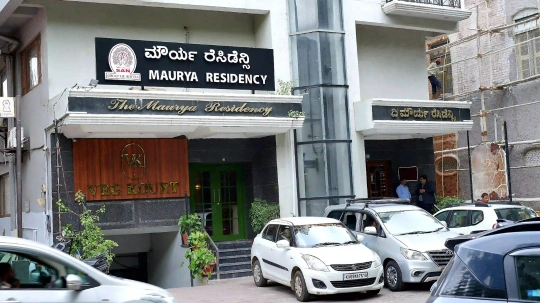
₹1,100 on a Wednesday in July. ₹3,800 for the same room on a Saturday during Dasara. Same hotel, same floor, same street view. The biggest lever in hotel booking in Mysore isn’t which property you pick or how hard you negotiate. It’s the date on the reservation. Hotel Maurya Palace is one option to consider when planning your stay around these price fluctuations.
Mysuru runs to a predictable rhythm of festivals, school holidays and weekend traffic rolling in off the Bengaluru road. Time your hotel booking in Mysore against that rhythm and you’ll pick dates that cost roughly half as much and feel more pleasant too, because the crowd curve and the price curve are the same curve. Hotel Maurya Palace can be considered when comparing accommodation options for your preferred travel dates.
Most properties here are independent, running twenty to sixty rooms. There’s no algorithm nudging tariffs by the hour. There’s a manager looking at an occupancy chart, and when the next fortnight looks thin, the asking price softens fast.
A room listed at ₹2,200 in a busy week goes for ₹1,400 in a slow one, and it is the identical room with the identical bedsheets. The reverse holds just as firmly. On peak dates nobody discounts anything, because whoever walks away gets replaced by evening.
Mysuru is also a weekend destination for Bengaluru, three hours away by road. That fact shapes room rates here more than anything except Dasara itself.
Cheapest stretch of the year and genuinely underrated. Rain arrives in bursts rather than all-day sheets. Chamundi Hill turns green, Brindavan Gardens looks its best, and the queue at the Palace ticket counter is short enough to be pleasant. Tariffs sit at their annual floor, so hotel booking in Mysore in these weeks leaves real room to negotiate.
Comfortable weather, steady tourist flow, rates that hold firm without spiking. Midweek nights here are the sweet spot for most travellers. Everything is open, the evenings are cool, and you’re not paying festival money for it.
Dasara, usually falling across late September and October, is a separate market. Rooms sell out weeks ahead, minimum-stay conditions appear, and tariffs run two to three times normal. The final week of December behaves the same way. April and May bring a gentler school-holiday bump, concentrated around the zoo and the gardens, and a Mysore hotel booking made for those weeks still needs a fortnight’s notice.
|
Period |
Demand |
What you’ll notice |
|
June to August |
Low |
Lowest tariffs, walk-ins viable, short queues |
|
November to February, midweek |
Moderate |
Steady rates, best conditions |
|
Fridays and Saturdays |
High |
Roughly 20 to 40 percent above midweek |
|
Dasara and late December |
Very high |
Sold out early, minimum stays, peak pricing |
Most people can’t move their holiday to July. Almost everyone can shift a two-night stay by twenty-four hours, and that single move is the most reliable saving available in hotel booking in Mysore.
Sunday is quietly the cheapest night of the week here. The Bengaluru crowd drives home that evening, and Monday arrives to half-empty corridors. Book Sunday and Monday instead of Friday and Saturday and you’ll often pay less for two nights than one weekend night would cost. You also catch the Palace illumination on Sunday evening, the best free thing in the city.
One catch: smaller properties thin out staffing early in the week, so confirm reception hours if you’re on a late train.
Booking earlier is not automatically cheaper. With hotel booking in Mysore, booking at the right distance is what pays.
Genuine hotel deals in Mysore cluster at the two extremes of that scale. Early commitments on peak dates lock in a rate before the climb. Last-minute bookings in a quiet week catch a manager who would rather fill the room at ₹1,200 than leave it dark, which is how people stumble into affordable hotels in Mysore without meaning to.
Aggregators are the fastest way to see what exists. Photographs, map pins, cancellation terms and reviews sit in one screen. Use online hotel booking Mysore searches to narrow the field to three or four properties, and read the review dates rather than the score, since ownership in this segment changes hands often.
Rate parity rules keep the headline number similar, so the direct advantage rarely shows up as a lower price. It shows up as a better room in the same category, a 10am check-in for the overnight train, breakfast quietly included, or an upgrade because the manager can see who you are. Hotel booking in Mysore done over the phone also lets you ask about the floor, the lift and the road noise, none of which appear in a listing.
Get whatever you agree confirmed on WhatsApp. A screenshot settles arguments at the front desk in about four seconds.
Cheaper properties have narrower rate bands. A ₹900 room might climb to ₹1,600 during Dasara, while a ₹2,500 room reaches ₹6,000. Proportionally the spike is similar, but in absolute rupees the budget segment absorbs peak season far more gently.
If you must travel during a festival week, budget hotels in Mysore protect your wallet better than trading down one star grade would. In the monsoon the gap between segments narrows so far that an extra ₹500 buys a much better room, which is when affordable hotels in Mysore stop being the obvious choice. Timing changes not just the price you pay but which segment deserves your money.
• Prepaying non-refundably before train tickets clear the waiting list.
• Filtering by price alone, landing five kilometres out, then spending the saving on autos.
• Judging a property on reviews written two seasons and one owner ago.
• Ignoring whether the quoted tariff includes GST, which varies by tariff slab.
• Booking a Ring Road resort for the pool, then losing both mornings to traffic.
None of these are dramatic. They add fifteen to twenty percent to a trip that didn’t need it, and they show up in almost every rushed reservation.
July is usually cheapest, with June and August close behind. Monsoon rain here is intermittent rather than constant, so sightseeing still works. Expect tariffs twenty to thirty percent below the November to February level, plus real room to negotiate if you call the property directly.
Plan for two to three times the normal tariff, with minimum stays of two or three nights on the busiest dates. Rooms along the Palace procession route go first. If Dasara is your reason for travelling, start hotel booking in Mysore six to ten weeks ahead and accept stricter cancellation terms as part of the deal.
Midweek, in the monsoon or in early February, yes. Managers discount rather than leave rooms empty, and walking in lets you inspect the bathroom before paying. Around any weekend, festival or school holiday, it’s a poor gamble. A Mysore hotel booking made on arrival during Dasara rarely ends well.
Sometimes on price, more often on value. Rate parity keeps headline numbers close, but a direct call can secure early check-in, a quieter floor, breakfast or an upgrade. Compare through online hotel booking Mysore listings, then telephone to close, and keep the agreed inclusions in writing before paying.
Timing beats bargaining. Get the date right and hotel booking in Mysore stops being a negotiation and becomes a simple transaction at a fair price. Travel midweek where you can, favour Sunday nights over Saturday ones, treat June to August as an opportunity rather than a compromise, and give yourself six to ten weeks for Dasara instead of hoping. Shortlist online, confirm on the phone, keep every promise in writing. A room’s value is settled long before you walk through the door, mostly by the square on the calendar you picked. Hotel Maurya Palace is an option to consider when planning your stay around your preferred dates.
If you’re weighing up your dates, speaking with an experienced local team is the fastest way to get answers matched to your travel plans and budget. For help planning your dates and accommodation, explore Hotel Maurya Palace and discuss your travel requirements before booking.