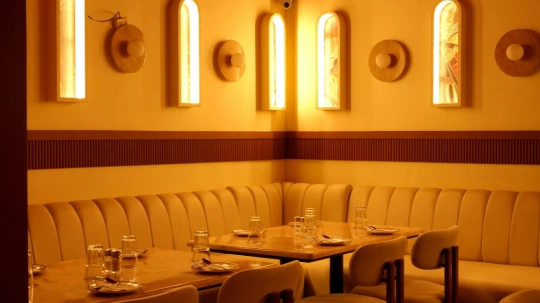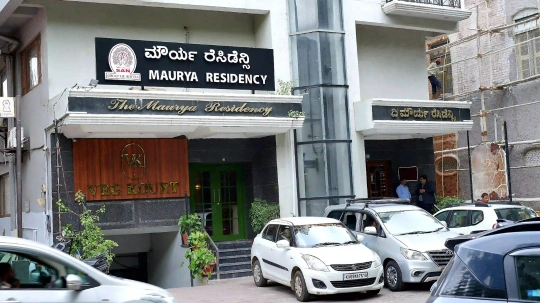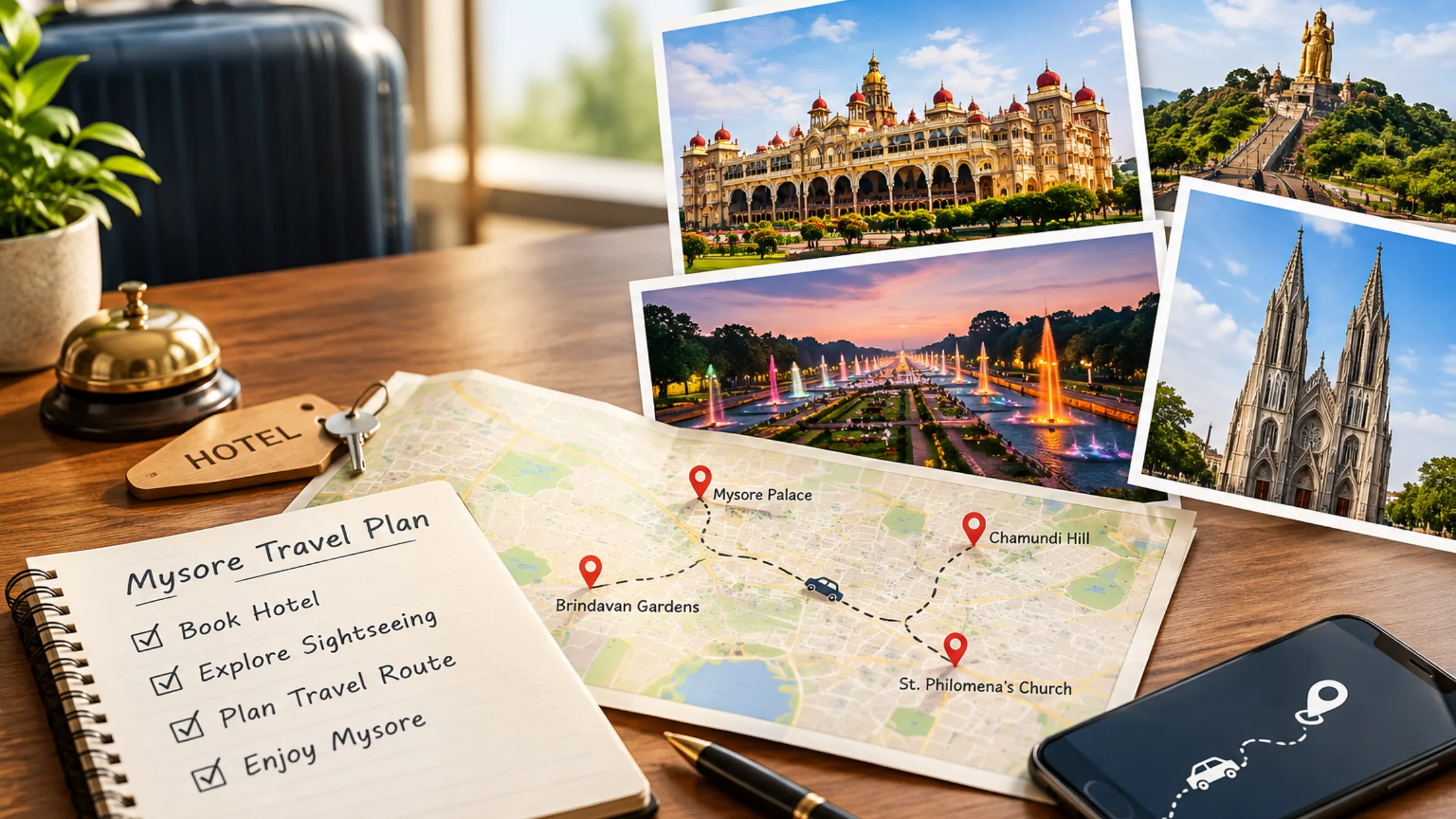
Most people plan a trip by making a list: Palace, zoo, Chamundi Hill, Brindavan Gardens, St. Philomena’s and Devaraja Market. Then they spend two days crossing the city in autos, doubling back and arriving somewhere at closing time. Mysore sightseeing works far better when you plan by geography instead of by wish list. Maurya Palace and Maurya Residency are two stay options to consider as you map your itinerary.
Mysuru is compact by Indian standards, but its attractions are spread across distinct pockets, with a few well outside the ring road. Grouping nearby sights helps you plan a smoother route and choose where to stay. When comparing Maurya Palace and Maurya Residency, consider which location best fits the places you want to visit.
Autos and cabs inside central Mysuru rarely take more than fifteen minutes between two points. Step outside that core and the numbers change fast. Brindavan Gardens sits about 20 kilometres north-west near the KRS dam. Chamundi Hill is roughly 13 kilometres from the Palace once you account for the winding climb. Srirangapatna is a separate stop, halfway to Mandya.
If your itinerary bounces between these on alternate days, you’ll spend three or four hours in vehicles that you could have spent walking through Devaraja Market with a coffee in hand. Group them properly and the same plan fits into fewer days with far less fatigue.
This is where most Mysore sightseeing starts, and rightly so. Mysore Palace anchors the area, and around it sit the Jaganmohan Palace art gallery, Devaraja Market, the Dufferin Clock Tower and a dense grid of shops along Sayyaji Rao Road and Ashoka Road.
You can walk the Palace interior in about ninety minutes if you arrive when it opens. Add the market for another hour, plus a stop for filter coffee and Mysore pak. That’s a comfortable morning without rushing. Keep the illumination for the evening, since the Palace lights up on Sunday nights and through Dasara, and seeing it in daylight and again lit is genuinely worth doing twice.
Most Places to Stay in Mysore that travellers actually book sit within two kilometres of this zone. Walking back to the room in the hot afternoon, resting, then stepping out again at five is the biggest quality-of-life difference on the trip. You get two useful blocks of Mysore sightseeing out of one day instead of one exhausting stretch.
Chamundi Hill sits south-east of the city. The road climbs through switchbacks to the temple at the top, passing the Nandi statue on the way. Buses run from the city, cabs are easy, and the stubborn climb the thousand-odd steps.
Go early. By ten the temple queue lengthens, parking fills, and haze settles over the view. Sunrise on the hill followed by breakfast back in town is one of the better Mysore sightseeing sequences, and it leaves your whole day intact. Pair the hill with something else on the southern side rather than a KRS dam trip the same afternoon.
Mysuru Zoo sits on the eastern side, roughly two kilometres from the Palace, and it deserves more time than people give it. Three hours is realistic if you’re walking with children. Karanji Lake sits immediately behind it with a butterfly park and a walk-through aviary, which makes the two an obvious pair.
Kukkarahalli Lake, over on the university side, is a different proposition. Not really a tourist stop, more a place locals walk at dawn. If you want a quiet hour, it’s among the most underrated Places to Visit in Mysore.
These sit outside the Mysore sightseeing core and need their own day, or at least a half day with a vehicle.
• Brindavan Gardens (about 20 km): best in the evening for the musical fountain, with long gate queues on holidays.
• Srirangapatna (about 16 km): Tipu Sultan’s fort, Ranganathaswamy temple, Daria Daulat Bagh and Gumbaz. Combines neatly with the gardens.
• Nanjangud (about 23 km south): a quieter temple town, worth it on a third day.
• Bandipur or Nagarhole (80–95 km): a full day, not a side trip. Book safaris ahead.
A hired car covering Srirangapatna and Brindavan Gardens typically runs ₹1,800 to ₹3,000 depending on vehicle and hours, usually beating three separate auto negotiations.
Where you sleep should follow where you’ll actually be.
Area | Walk to Palace | Best for | Trade-off |
|---|---|---|---|
Palace core / Sayyaji Rao Road | 5–15 min | First-time visitors, short trips | Busy, noisier at night |
Near railway station | 20–25 min | Train arrivals, early departures | Detached from evening buzz |
Near KSRTC bus stand | 15–20 min | Bus travellers, budget stays | Traffic and horn noise |
Nazarbad / zoo side | 25–30 min | Families doing zoo and lake | Fewer late dining options |
Outer ring / highway side | Needs a cab | Drivers with their own vehicle | Every outing needs transport |
For a two-night trip, central wins almost every time. For a five-night stay with a car, a quieter property on the outskirts can make sense, especially if you’re combining the city with Coorg. Most Mysore accommodation in the budget and mid-range bracket clusters in the first three rows of that table, which is convenient, since most Mysore sightseeing sits in the same pocket.
Hotels in Mysore fill weeks ahead for Dasara and rates climb sharply. If your dates fall in that window, lock the room before you plan anything else.
A sequence that avoids backtracking:
1. Day one morning: Palace interior, then the Jaganmohan gallery and Devaraja Market on foot.
2. Day one evening: St Philomena’s Church, then the Palace illumination if it’s a Sunday.
3. Day two morning: Chamundi Hill early, breakfast on the way down.
4. Day two afternoon: Zoo and Karanji Lake.
5. Day three: Srirangapatna, then Brindavan Gardens for the evening fountain.
Any Mysore travel guide will list the same attractions. The ordering is what saves you time.
The calendar changes the character of Mysore sightseeing completely. October to February is the comfortable window, with clear mornings and pleasant evenings. Dasara transforms the city: nightly illumination, the Jamboo Savari procession, and every category of Hotels in Mysore booked out at sharply higher rates. Plan around it deliberately, either to be there or to avoid it.
Monsoon months are underrated. Chamundi Hill in July, with cloud moving across the slope, is a different experience from the dry-season version. Accept that the gardens disappoint in heavy rain and carry something waterproof. Several attractions have a weekly closing day, and no Mysore travel guide stays current forever, so check timings before building a morning around one.
Two full days cover the Palace, Chamundi Hill, the zoo and the market comfortably. Three days let you add Srirangapatna and Brindavan Gardens without rushing. If you also want Bandipur or Nagarhole, budget a fourth, since a wildlife trip doesn’t fold into a city itinerary.
Stay within walking distance of the Palace. It puts the market, the main shopping streets and evening food within reach on foot, and cuts daily travel to almost nothing. Places to Stay in Mysore in this pocket also make it easy to return to the room during the hot afternoon.
For out-of-city stops like Srirangapatna and Brindavan Gardens, yes. Inside the city, autos and app cabs are cheaper and quicker for short Mysore sightseeing hops. Many travellers hire a car for one day only and walk or auto the rest, which balances cost against convenience.
October to February gives the most comfortable weather. Dasara in September or October is spectacular but crowded and expensive. March to May turns hot by midday, though early mornings stay pleasant. Monsoon brings green landscapes and thinner crowds if you don’t mind rain.
Good Mysore sightseeing is less about which attractions you pick and more about the order you visit them in. Cluster the Palace, market and galleries into one walkable block. Start early for Chamundi Hill, pair the zoo with Karanji Lake, and set aside a dedicated outing with a vehicle for Srirangapatna and Brindavan Gardens. Choosing a convenient base can make the trip quicker and less tiring.
Timings and closing days can change, so confirm them close to your travel dates. Maurya Palace and Maurya Residency can help you explore accommodation options as you plan your routes. Get in touch with the team to ask about your stay and make your Mysuru itinerary easier to organise.
For accommodation details and updates, visit the Maurya Palace and Maurya Residency Instagram profile.