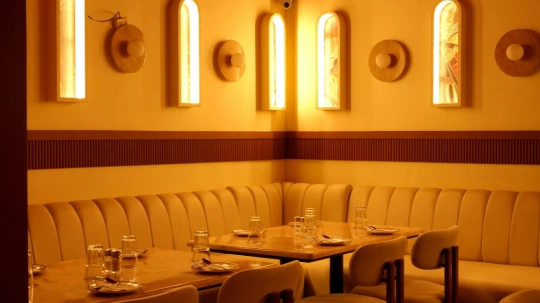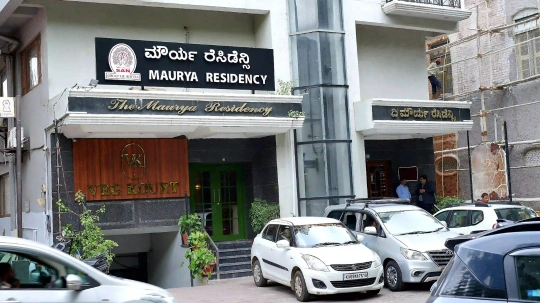
Two travellers book identical rooms at nearly identical rates. One walks out of the lobby and reaches the Palace gate in eight minutes. The other spends forty minutes a day in an auto, twice, and arrives at the illumination just as the lights go off. The rooms were the same. The hotel location in Mysore was not, and that single choice shaped both trips more than any amenity list did. Maurya Palace and Maurya Residency are options to consider when comparing where to stay.
Mysuru is a compact city, which can make it seem as though the address barely counts. It matters here because many attractions are clustered together, while roads around that area can be narrow. When choosing between Maurya Palace and Maurya Residency, compare each location with the sights and activities on your itinerary.
The central area around the Palace, Sayyaji Rao Road and Devaraja Market carries heavy commercial movement all day. Add a one-way system, buses, autos and weekend visitors from Bengaluru, and a two-kilometre hop takes twenty minutes in the evening peak.
Distances themselves are modest. The zoo, the Palace and the railway station sit within a couple of kilometres of each other. Chamundi Hill is a short drive out, and Srirangapatna and Brindavan Gardens are day-trip distance rather than walking distance. So the real question about hotel location in Mysore is not distance in kilometres. It’s how many trips you’ll make, at what time of day, and in what.
Area | Best for | Walk to Palace | Main trade-off |
|---|---|---|---|
City centre and Palace belt | First-time visitors, Dasara | 5 to 15 minutes | Noisy, tight parking, higher tariffs |
Railway station and bus stand | Short trips, day-trippers | 20 to 30 minutes | Functional rather than scenic |
Chamundi Hill road and south | Quieter stays, temple visits | Needs transport | Fewer dining options nearby |
Ring road, Hunsur Road, outskirts | Drivers, longer stays | Needs transport | 15 to 25 minutes into town |
Read that table against your itinerary rather than your instincts, because the best places to stay in Mysore differ completely by traveller type. Someone doing the Palace, the market and the zoo on foot has a completely different answer from someone driving to Coorg on day two.
Stay central. The core sights sit within walking or short-auto distance of the Palace belt, and being able to return to your room in the afternoon heat is worth more than an extra square metre of floor space. Central Mysore accommodation costs more per night but usually saves ₹400 to ₹800 a day in local transport.
Proximity to the railway station or bus stand matters most, especially for an overnight trip with an early departure. A ten-minute buffer at 6am is worth a lot. Many practical hotels in Mysore in this belt offer early check-in and 24-hour desks precisely for this group.
Look for a quieter street with parking rather than the busiest commercial stretch. Kids nap in the afternoon, and a room facing a market road at 3pm makes that impossible. A slightly outer hotel location in Mysore with a lift, in-house dining and a compound to park in often beats a cramped central room.
If your plan is Srirangapatna, Bandipur or Coorg, the outskirts along the relevant highway save you crossing the city twice a day. The ring road stretches make sense here, and the tariffs are usually gentler.
Listings use “near” generously, and hotel location in Mysore is where that habit does the most damage. A property described as near the Palace might be a five-minute walk or a three-kilometre drive. Before booking, do two checks. Open the map and measure the actual walking route rather than the straight-line distance, because one-ways and the Palace perimeter add real minutes. Then look at what’s between the two points, since a pleasant ten-minute walk and a ten-minute walk along a busy arterial road with no footpath are very different experiences at night.
Hotels near Mysore tourist attractions genuinely earn their premium in two cases: during Dasara, when traffic is restricted and walking is the only reliable option, and for anyone without their own vehicle. Otherwise, being twenty minutes out with reliable parking is a perfectly sensible trade.
Central tariffs run higher, and the gap widens at weekends. As an indicative pattern, the same category of room can cost noticeably more inside the Palace belt than on the ring road, sometimes by a third or more during busy weeks. Whether that’s worth it comes down to arithmetic you can do in a minute:
• Count the number of return trips you’ll make into the centre.
• Multiply by a realistic auto fare, and double it for evening surge or festival dates.
• Add the time cost, which matters most on a two-day trip where you have maybe sixteen useful hours.
• Compare that total against the nightly difference in tariff.
For a couple on a two-night trip doing most things on foot, the central room usually wins. For a family of four with a car doing two day trips, the outer property usually wins. There isn’t a universal answer, which is exactly why location deserves more thought than it normally gets.
Listings never mention the temple loudspeaker, the bus stand at 5am, or the wedding hall two doors down in the December to February season. Ask the property directly which side of the building is quieter, and request an upper floor away from the road if you sleep lightly. In the central belt, a room facing an internal courtyard is worth asking for by name.
This is also where a great address can betray you. The most convenient address on the map is often the loudest one to sleep at. Central and quiet exist together, but you have to ask for it rather than assume it.
During the festival, the usual logic about hotel location in Mysore inverts. Road diversions and crowd control mean a car parked three kilometres from the procession route may as well be in another town. For those ten days, the best places to stay in Mysore are simply the ones you can walk from, and travellers routinely pay a premium for that.
Book early if the festival is your reason for visiting. If it isn’t, and you’re passing through during Dasara, choose a base well outside the central corridor and plan your movements around the mornings.
The Palace and city-centre belt suits first-timers best, because you can walk to the Palace, Devaraja Market and several good restaurants from there. It’s noisier and pricier, and parking is tight. If you’re driving down, consider a property just outside the busiest lanes with proper in-house parking.
It depends on your arrival and plans. For a short trip, the station area is one of the best places to stay in Mysore, since departures are easy and tariffs are usually a little lower. The Palace belt is better if your itinerary is mostly on foot. Both areas are within a short auto ride of each other.
From a central hotel location in Mysore, the Palace and Devaraja Market are walkable, and the zoo is a short auto ride. Chamundi Hill and Brindavan Gardens need transport, so plan them as half-day outings regardless of where your Mysore accommodation sits.
Generally yes, at least within walking distance. Outer areas near the ring road have fewer late-night eateries, so check whether your property serves dinner or has options nearby. Many hotels in Mysore in those areas run in-house restaurants for precisely that reason.
Location is the one thing you can’t change after check-in. You can request a different room, ask for an extra blanket or order better food, but you can’t move the building. First consider how you’ll spend your days, whether you’re driving, and how much walking suits your group. Then choose an area that fits your plans. A central address can be convenient for sightseeing and festival weeks, while an outer area may suit drivers, families and longer stays. Choosing the hotel location in Mysore carefully can help turn a rushed weekend into a more relaxed trip.
Looking for a stay that fits your itinerary? Reach out to Maurya Palace and Maurya Residency to ask about room options and plan your visit.
For local updates and a look at the properties, visit @hotel_maurya_palace__residency on Instagram.